After writing about community and food in Taiwan, I now shift my attention to Spain. I recently spent nine days with my husband’s cousin in Canillejas, a neighborhood of Madrid that is located just a 20-minute subway ride from the city center.
Neighborhood Structure and Layout
As shown in the photo below, the structure of Canillejas shows the intertwining of residence and stores. Throughout this neighborhood, you will find four floors of residence with shops on the first floor. This organization allows for many businesses and services to be within walking distance.
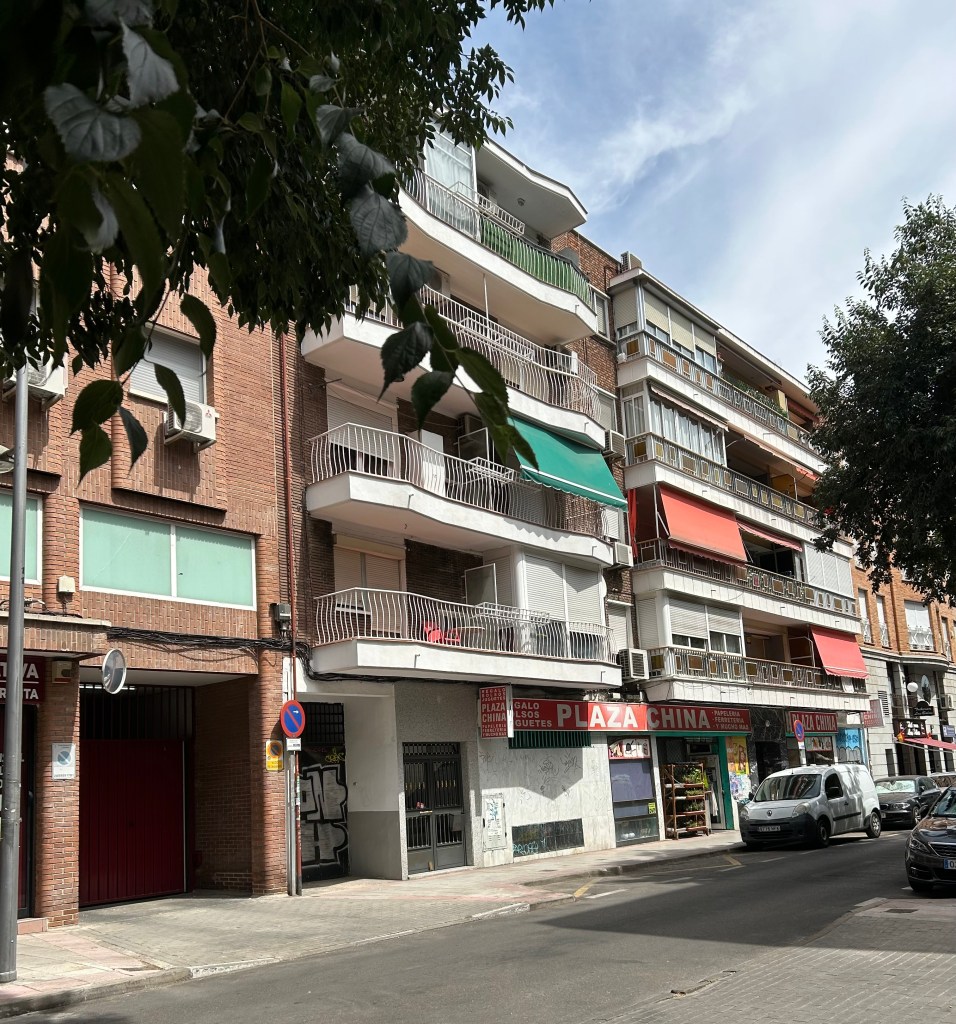
Here’s an overview of what you can find within about a one-mile radius:
Retail:
- Clothing stores, undergarment store, eyewear, health food and supplements, pet supplies
- All-purpose stores, kitchen and home needs, mattresses
Dining:
- Bars, restaurants (many with outdoor seating), and cafes
- Within one block of leaving the apartment, I counted nine eateries
Groceries
- Fruit stands, supermarkets, convenience stores
- Bakeries, fresh meat and seafood shops
Services:
- Tailoring, driver’s education, hair salons, laundromat
- Post office, banks, real estate agencies
- Medical: Lasik surgery, hearing aid, pet clinics, doctors’ offices
Public Spaces and Transportation:
- Playgrounds, library, church
- Metro station
Community Life
My cousin-in-law’s mother, despite being almost 90, demonstrates how a simple errand can turn into a social event. She might leave for eggs and return four hours later, having met familiar faces on the street or stopping in stores to say hello.
During my daily walks around Canillejas, I witnessed countless moments that highlighted the neighborhood’s strong sense of community. One day, I spotted grandparents watching their granddaughter play catch in the park one day. The very next morning, I saw the same family enjoying breakfast outdoors at a cafe next to the park. Another time, I saw an elderly man walking up a steep hill with a bag of groceries in each hand–a testament to the independence fostered by the neighborhood’s walkability. Everywhere I went, I saw the streets filled with social interaction: parents with young children pausing to chat with elderly friends, people greeting one another warmly, and older folks engaged in lively conversations with their peers. Each time I walked out with my cousin-in-law, there was always someone she recognized and greeted.
For the retired Spaniards, the neighborhood provides every day ways to maintain independence, strength, and socialization for both men and women. As a side note, near my mother-in-law’s home in Barcelona, I observed about 50 men of various ages playing pétanque (a game involving throwing metal balls close to a target), providing a relaxed setting for friendly competition, and more importantly, social interaction among men.
This community structure in turn supports family life. Extended families often help with childcare, enabling parents to work. One mother I interviewed (SP6) from a nearby neighborhood reported that 26 out of 28 students in her son’s class received care from grandparents or other relatives.
The Evolution of Community in Canillejas
In Canillejas you’ll find a diverse mix of businesses reflecting the area’s multicultural evolution. Long-established Spanish-owned stores coexist with newer shops run by immigrants, particularly from China.
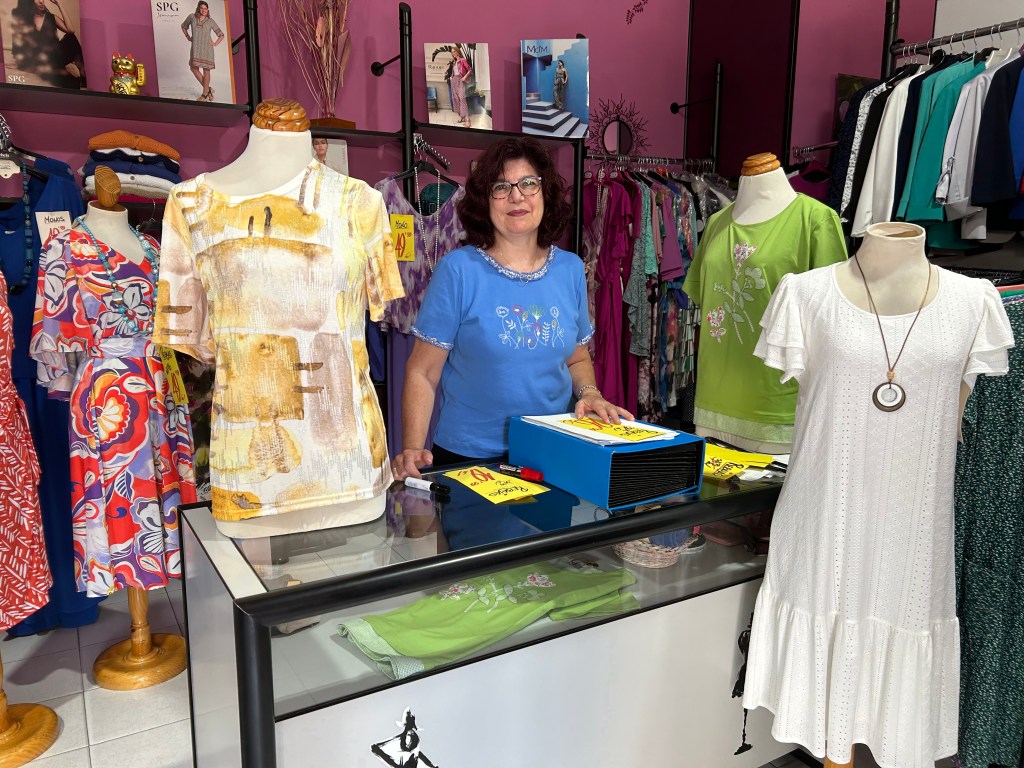
Some Spanish stores, like the one pictured, have been community fixtures for as long as 40 years. These businesses represent the area’s traditional commercial landscape.
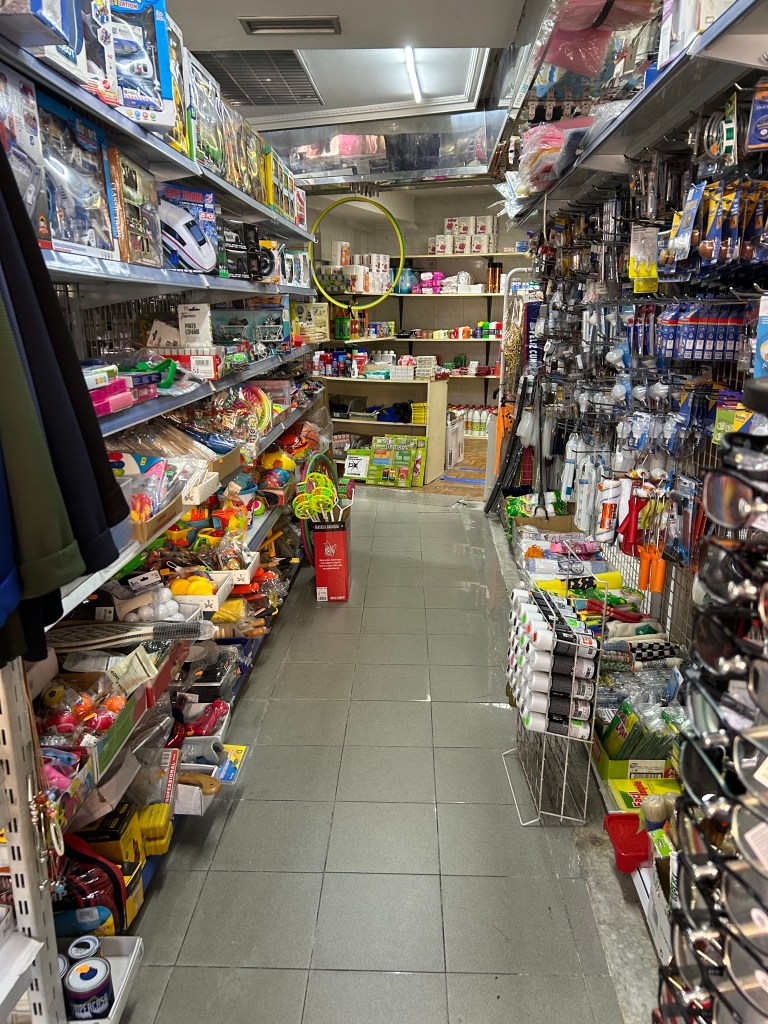
However, over the past two decades, Chinese-owned stores from the southeastern region of the People’s Republic of China have become an integral part of the neighborhood economy. Some shops are known for their variety (see photo below), often selling an eclectic mix of affordable items ranging from doormats and clothing to stationery, cleaning supplies, and batteries all under one roof. Other Chinese-owned shops include fruit stands or even serving Spanish cuisine. One difference between Spanish and Chinese stores is that Chinese stores will often open seven days a week and pack more merchandise into their spaces compared to their Spanish counterparts.
This diverse business environment mirrors the community’s changing demographics. A stroll through the local park reveals children from various backgrounds playing together. You’ll see kids with heritage from China, various South American countries, and different African nations all sharing the same playgrounds.
Food
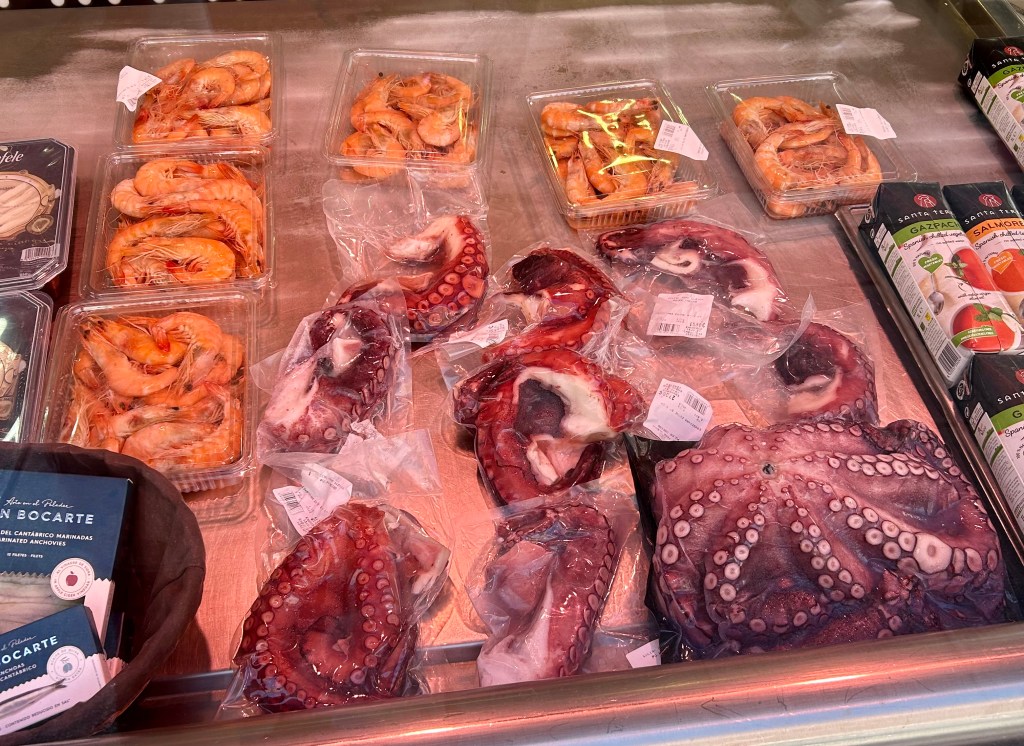
Caring for your family involves many aspects, and access to nutritious food is a big part of it. In Canillejas, seasonal fruits, vegetables, artisanal bread, and seafood abound within walking distance. Fresh octopus or shrimp, anyone?
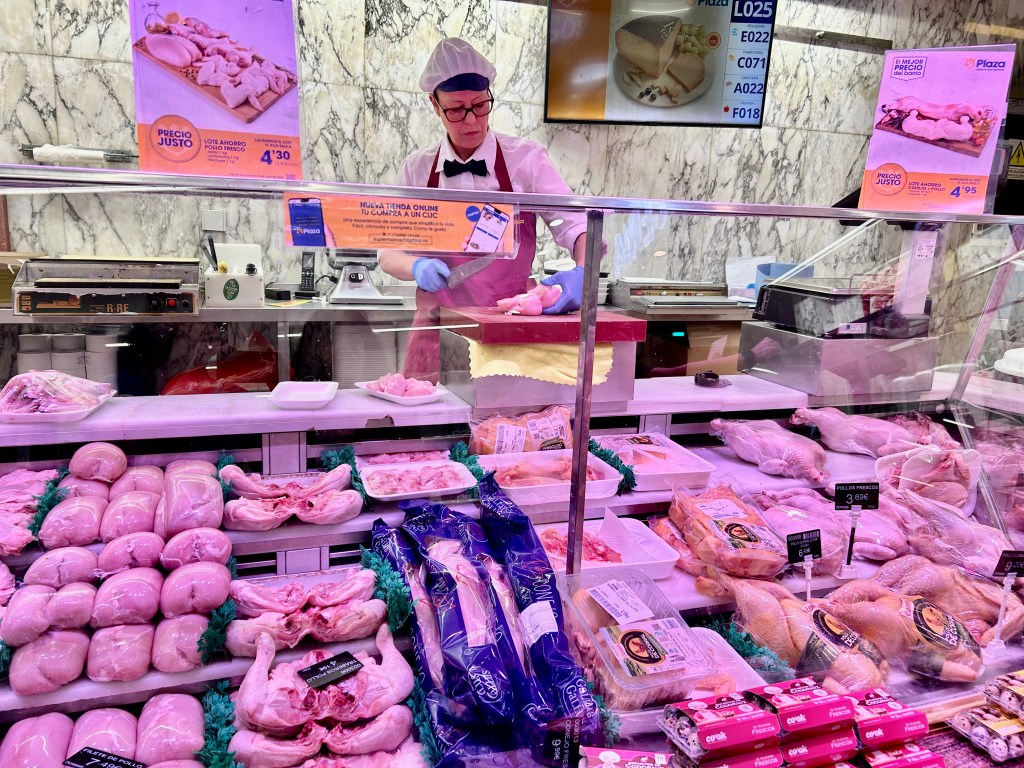
The local markets go beyond just offering fresh ingredients – they help you prepare your meals, too. In the photo below, this woman skillfully cuts up the chicken to my specifications. Although not visible in the photo, someone is cutting up pork to the right for my cousin-in-law who made an amazing breaded pork dish, and to the left, someone is in charge of charcuterie. You can even find pre-cut bacon. Having my meat fresh and pre-cut is a huge time-saver when preparing nutritious family meals. It also ensures quality–my Spanish mother-in-law, for instance, never buys pre-ground meat. She insists on inspecting the meat before it’s ground to guarantee its freshness and quality.
At fruit stands, the owners are just as helpful. Once, I asked the owner to select three doughnut peaches that would be perfect for eating right after lunch that day. Another time a different vendor had helpfully sliced open the perfect watermelons for that day. I selected a juicy yet crisp half watermelon for the family to enjoy during the European Cup soccer final, where Spain defeated Germany.
All these fresh ingredients not only contributed to good nutrition but also foster care and conversation within the family.
Challenges and Considerations
Perhaps the downside of this community is if you have a demanding work schedule or desire to be highly productive at work. My husband, though Spanish, would go crazy having to wait in separate lines for chicken, pork, and other items. This lifestyle is perhaps better suited to households where someone—like grandparents or a stay-at-home partner—has the time to visit multiple shops and wait in various lines. Nevertheless, even for those who are pressed for time, this more connected and caring community helps support well-being on the family side of the work-family balance.
